Did you know that??
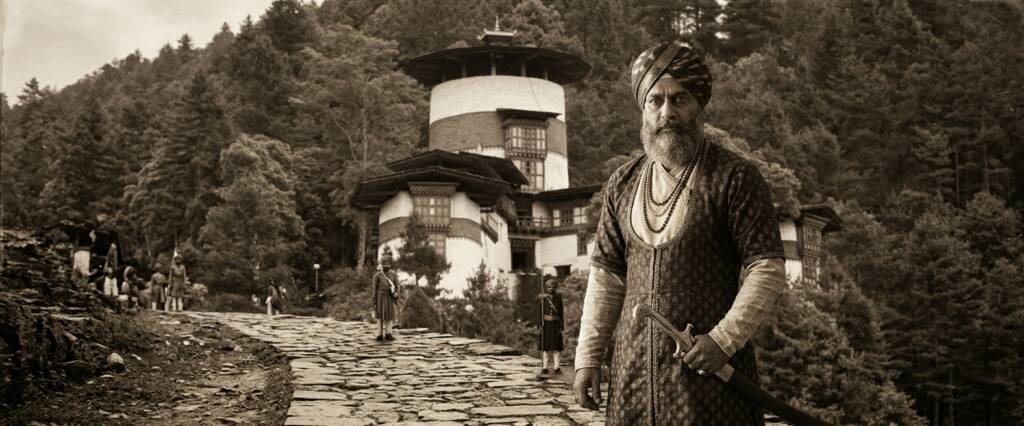
In the mid-19th century, a remarkable convergence of spiritual prophecy and geopolitical sanctuary took root at Trongsa Dzong. While residing at the Taa Dzong watchtower, today Royal Heritage Museum, the revered Lam Jangchub Tsondru (1817-1856) imparted spiritual teachings to Jigme Namgyel (1825-1881) and prophesied that a high-ranking personality from the West (India) would travel to Trongsa, bringing sacred blessings and spiritual relics. This prophecy came to pass following the Indian Rebellion of 1857, when the defeated Maratha leader, Nana Saheb Peshwa II (1824-1859), fled British pursuit through Nepal and Sikkim to seek refuge in Bhutan. Welcomed by Jigme Namgyel, Nana Sahib presented his host with a sacred brass idol of Mahishasuramardini (Goddess Durga) in gratitude. This historic artifact remains preserved as a venerated treasure inside Trongsa Dzong to this day.
The relationship between Bhutan and British India soon reached a crisis point in late 1864 with the outbreak of the Duar War over control of the fertile borderlands. After British forces initially captured key foothill positions, Trongsa Penlop Jigme Namgyel rallied Bhutanese forces across the region and launched a masterclass counter-offensive against the British garrison at Dewathang. Some local account note that Nana Saheb played important role in fighting against Britsh India or in other words, he fought alongside Jigme Namgyal. Surrounding the fort and severing its vital water supply, Jigme Namgyel’s troops subjected the garrison to intense guerrilla pressure, supply exhaustion, and severe dehydration. Overwhelmed by the siege tactics, the British commander ordered a chaotic night retreat toward the Assam plains on February 5, 1865, securing a major military triumph for Bhutanese forces.
Realizing that prolonged warfare against the British Empire’s vast reserves would cause immense hardship, Bhutanese leadership translated their battlefield success into leverage at the negotiating table. On November 11, 1865, both sides formally concluded the war by signing the Treaty of Sinchula. Under the terms of the agreement, Bhutan agreed to cede control of the 18 Duars (border passes in Assam and Bengal) in exchange for an annual monetary subsidy of 50000 rupee initially from British India. Through the spiritual foresight of Lam Jangchub Tsondru, the courageous leadership of Jigme Namgyel, and pragmatic diplomacy, this pivotal period protected Bhutan’s sovereignty and established lasting peace along its southern frontier.
Contributed by
Sangay Tashi
Chief Curator